Protecting Wildlife in Tourism: Progress Made but New Threats Ahead
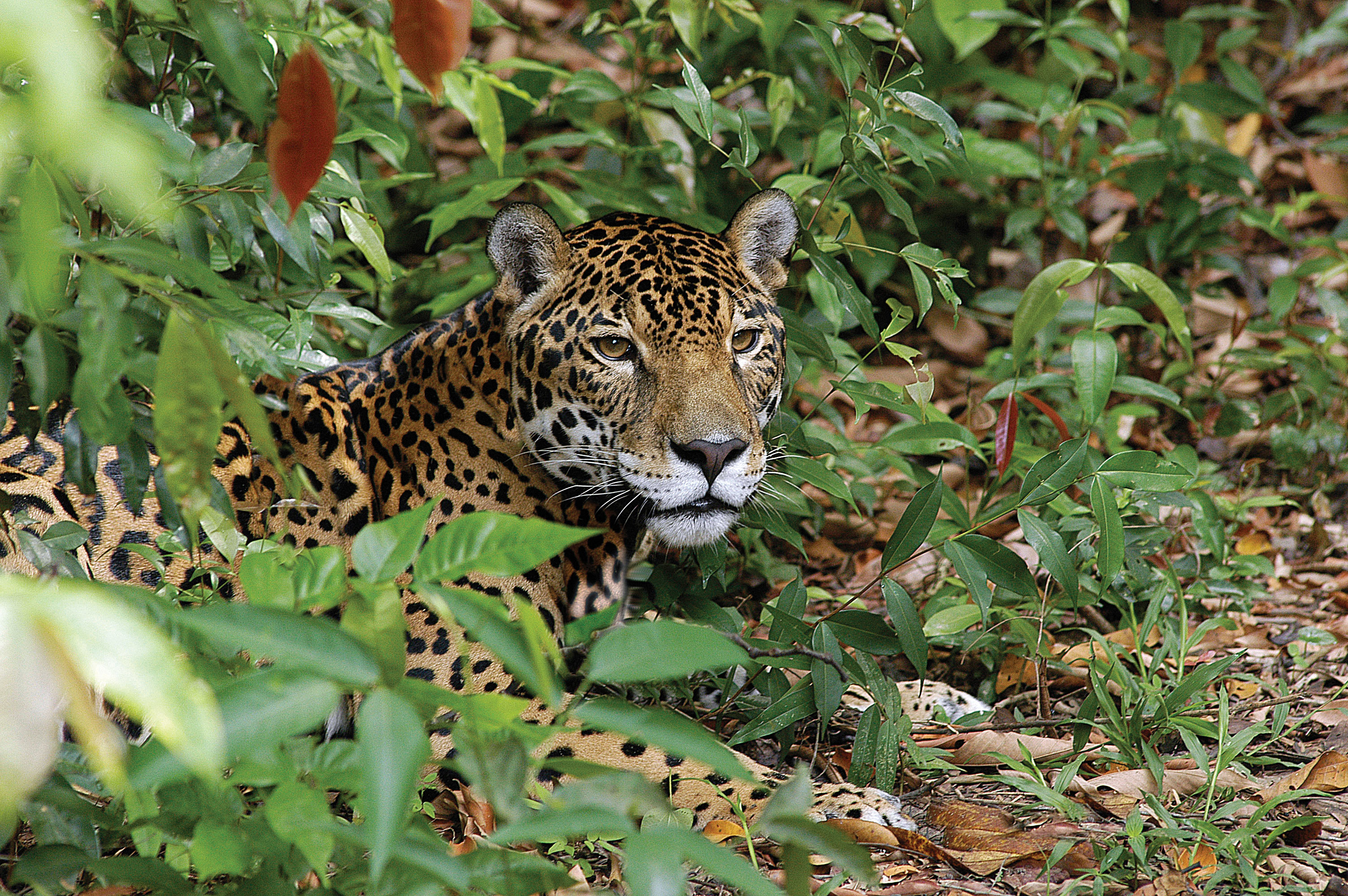
As I reflect on this transformative year for Scott Dunn's approach to wildlife tourism, I'm filled with both pride in our progress and niggling concern about emerging threats posed by AI imagery. A Year of Meaningful Change Last summer we launched our new comprehensive animal welfare policy, aligned with ABTA guidelines and developed through months of consultation with experts, partners and our employees. The response from our community has been overwhelmingly supportive; a testament to how ready our industry is for this shift. But policy documents are often just paper without action. The real work has been in the difficult decisions we've made throughout the year. We've had to step back from partnerships that couldn't meet our new standards, even when it meant disappointing guests or losing revenue. We've restructured experiences to prioritise observation over interaction, ensuring that any remaining captive animal encounters are handled exclusively by trained experts. These weren't easy choices, but they were necessary ones. Every decision was guided by one fundamental question: What serves the animal's welfare best? In 2026, I'm excited to be expanding our focus on conservation and educational wildlife tourism. Our new programs will be expert-led, observation-only experiences that keep wildlife wild while providing every generation with profound learning opportunities. This promises richer, more meaningful encounters that create lasting conservation ambassadors with first-hand insights into a whole host of fauna and flora. A baby Elephant, Maasai Mara, Kenya A Disturbing New Threat: AI's False Wildlife Paradise However, just as we're making genuine progress, a new and deeply troubling trend threatens to undo years of welfare advocacy. I'm talking about the explosion of AI-generated images showing people cuddling baby lions, surrounded by tiny reindeer, taking a bath with baby otters or posing with infant primates. These images are becoming increasingly sophisticated and, at first glance, they are very convincing. This isn't just a technical curiosity; it's a welfare disaster waiting to happen, not to mention a huge safety concern. When people see these fabricated images of intimate wildlife encounters, they create demand for the real thing. That demand fuels some of the most exploitative operations in tourism; facilities that prioritise human ego and social media moments over animal wellbeing. And it may also create false expectation of proximity for guests with animals in the wild, misleading them into thinking it’s safe to push the boundaries. The Animal Cafe Crisis We're already seeing the devastating consequences of the proximity mentality across Asia, where the boom in animal cafes exemplifies everything wrong with ego-driven wildlife tourism. Research consistently shows that animals in these facilities experience chronic stress, evidenced by elevated cortisol levels, repetitive behaviours, and compromised immune systems. Owls forced to remain active during daylight hours when they should be sleeping. Big cats beaten as babies and passed between strangers for photos while their stress hormones spike. Primates torn from their mothers as infants to be "socialised" for human handling. And when the babies grow up, they’re confined to a lifetime of captivity or used in canned hunting, medicine or for pelts. The welfare implications are horrific, yet these businesses thrive because they feed human desire to get close, to touch, to possess a moment with something wild. The economic reality makes this even more complex. Many of these exploitative facilities provide income in vulnerable communities, making it challenging to dismantle harmful practices without then causing human hardship. But that doesn't excuse promoting demand for experiences that cause suffering. Our Responsibility As travel professionals, we have a responsibility to counter this narrative by championing authentic wildlife experiences over fabricated fantasies. We must celebrate the incredible wildlife photographers worldwide who capture genuine moments without disturbing their subjects, proving that real encounters are far more powerful than any AI-generated interaction. Our commitment to observation-only wildlife encounters must extend beyond the charismatic megafauna that dominate social media feeds. True conservation tourism celebrates entire ecosystems, from pollinators and decomposers to the intricate web of species that make an apex-predator's existence possible. Most critically, we must not be swayed by popular opinion or mass market demands when they conflict with animal welfare. The voices calling for closer contact and "better" photo opportunities often drown out animals’ true needs. Our responsibility is to consistently ask: What is truly best for the animal? Not what sells best or generates social media engagement, but what serves the animal's physical and psychological wellbeing. A baby Gorilla resting on its mother Moving Forward The improvements we've made this year at Scott Dunn are just the beginning. Our new welfare standards, our shift toward conservation-focused experiences, and our commitment to keeping wildlife wild strive for a tourism model that can coexist respectfully with the natural world. But we can't do this alone. We need travellers to reject the fantasy of AI-generated wildlife encounters and embrace the beauty of ethical observation. We need the industry to stand firm against operations that prioritise human desires over animal welfare. And we need to continue having these uncomfortable but necessary conversations about what responsible wildlife tourism truly means. The choice is ours; we can feed the demand for exploitative encounters driven by social media aesthetics, or we can champion experiences that honour the intrinsic value of wildlife and protect their natural habitats. One Horned Rhino with her young, grazing at Pobitora Wildlife Sanctuary Assam
Why We Don't Support Wildlife Cafes in Asia
At Scott Dunn, we believe travel should broaden horizons and create positive change. That's why we want to address a growing trend across Asia that many of our guests encounter: wildlife cafes. From owl cafes in Tokyo to the emerging lion cafes in Thailand, these venues might seem like harmless fun, but the reality is far more complex – and troubling. Wildlife cafes have exploded in popularity across Asia over the past decade. What started with cat cafes has evolved into establishments featuring owls, meerkats, raccoons, foxes, capybaras and most recently, lion cubs. Thailand has seen a particular surge in these businesses, with lion cafes now appearing in Bangkok and other tourist areas, often marketed as "educational experiences" where visitors can drink coffee while interacting with young big cats. Very sadly, behind the Instagram-worthy moments lies a web of welfare concerns that research has consistently exposed. The Science Behind the Suffering A 2019 study published in Applied Animal Behaviour Science examined wildlife in cafe settings across Japan and Thailand, finding elevated cortisol levels (a stress hormone) in 89% of animals tested, indicating chronic psychological distress. The constant exposure to crowds, noise, and handling triggers persistent fight-or-flight responses that these animals cannot escape. Research by the Animal Welfare Institute has documented severe behavioural abnormalities in cafe animals, including repetitive movements, self-harm, and complete withdrawal, while many wildlife cafe animals are naturally nocturnal yet are kept active during busy daytime cafe hours, causing immune system suppression and shortened lifespans. Thailand's emerging lion cafes present particularly devastating concerns. Lion cubs are typically removed from their mothers at 2-4 weeks old to ensure human bonding, despite natural weaning occurring at 6-7 months – a separation that research published in Zoo Biology shows causes permanent psychological damage. A 2022 study by Chulalongkorn University highlighted serious zoonotic disease risks, documenting bacterial and parasitic infections that can transmit from big cats to humans through direct contact. Perhaps most troubling, investigations by Wildlife Friends Foundation Thailand revealed that many cubs are discarded or sold to other facilities once they become too large for cafe use, typically by 6-8 months of age. These animals are then bound to a life in tiny confines or sold into the black market for their body parts. Research consistently shows that wildlife cafes house animals in spaces far too small for their natural requirements, with cafe animals having access to less than 2% of the territory their wild counterparts would roam. Unlike domestic animals bred for human companionship, wild species have natural fear responses to humans and suppressing these through handling or psychological conditioning causes measurable welfare problems. Investigations have also revealed that many cafe animals come from commercial breeding operations with appalling conditions, including overcrowding, malnutrition, and high mortality rates. The Conservation Myth Many wildlife cafes market themselves as conservation or education centres, but research tells a different story. A comprehensive study by Oxford University's Wildlife Conservation Research Unit found that commercial wildlife interactions like cafes contribute nothing to wild population conservation and may actually harm conservation efforts by normalising wild animal exploitation. These facilities teach visitors incorrect information about animal behaviour and needs, as the animals display stress responses rather than natural behaviours. And economic analysis demonstrates that wildlife cafes increase demand for exotic pets by making wild animal ownership seem normal and desirable. Perhaps most troubling is what research reveals about the lifecycle of cafe animals. When animals outgrow their usefulness, investigations across multiple countries have documented that they're often sold to private collectors, other exploitation facilities, or simply abandoned. Animals raised in cafe environments cannot be returned to the wild due to habituation to humans and lack of natural behaviours, creating a cycle where animals bred for entertainment face lifelong captivity in progressively worse conditions. A Better Way to Connect with Wildlife We completely understand the desire to connect with incredible Asian wildlife – the region's biodiversity is among the world's most spectacular. But we believe the most meaningful encounters happen when animals remain in appropriate environments. Whether it's joining researchers studying wild populations in their natural habitats, visiting legitimate rescue centres that prioritise observation-only experiences, or spotting wildlife in natural settings from orangutans in Borneo to snow leopards in the Himalayas, these experiences truly support local conservation while providing genuine insights into animal behaviour. Asia also offers incredible cultural experiences from traditional tea ceremonies to cooking classes that provide meaningful connection without animal exploitation. These authentic experiences offer far richer insights into local life and natural heritage than any wildlife cafe could provide. Making Informed Choices The research is clear: wildlife cafes cause measurable suffering to the animals involved, provide no conservation benefit, and often mislead visitors about wildlife needs and behaviours. When we choose these experiences, we're inadvertently supporting an industry that prioritises profit over animal welfare. Every choice we make as travellers sends a message about what we value. By avoiding wildlife cafes and choosing ethical alternatives, you're reducing demand for exploitative wildlife tourism, supporting genuine conservation efforts, and encouraging the development of sustainable, animal-friendly tourism. Sources: Applied Animal Behaviour Science (2019), Animal Welfare Institute Studies (2018-2022), Chulalongkorn University Public Health Research (2022), Oxford Wildlife Conservation Research Unit (2020), Zoo Biology Journal (2021)

What Sets the Explorers Experience Apart?

Step Into the Wild: Where the Stars of Kingdom Roam

Sarara and the Butterfly People: The Elephant Guardians

Our Top Maldives Restaurants — Expert Picks from Scott Dunn
It isn’t just about pristine beaches and turquoise waters — it’s a culinary paradise where dining can be as memorable as the surroundings. Here are our expert recommendations.

An Insider's Guide to Northern Patagonia's Best-Kept Secrets

Five Reasons Why Morocco is a Great Family Destination

Our Pick of the World’s 50 Best Hotels
On Thursday 30th October, our Global Product Director, Simon Lynch, attended a prestigious awards ceremony at the Four Seasons Hotel London at Park Lane, where the third edition of the World’s 50 Best Hotels was announced. We were excited to see many of our carefully curated collection of hotels listed among the winners, with some of our favourite hotels even featuring for the third year in a row. Here’s our list of the best of the best, as chosen by our Travel Specialists who have experienced these properties first-hand.

Protecting Paradise: Conservation Experiences in the Maldives
How tourism and sustainability can go hand in hand The Maldives has long been celebrated for its turquoise lagoons, vibrant reefs, and powder-soft sands — the epitome of barefoot luxury. Today, this island nation is also setting new standards in sustainability, showing how luxury travel and environmental stewardship can thrive together. With ecosystems as delicate as they are beautiful, the Maldives offers not just a breathtaking escape but also a meaningful invitation: to help protect the wonders that make it so extraordinary. Across the atolls, pioneering resorts are going beyond reducing their footprint, investing in coral regeneration, wildlife protection, and scientific research. Guests are invited to join this journey — from planting corals beneath the waves to taking part in citizen science projects. Whether you’re on a romantic escape or a family adventure, these experiences transform a holiday into something lasting: a chance to give back to the oceans that give so much. Six Senses Kanuhura – Protecting Seabirds and Mapping Reefs On Kanuhura, the skies above Lhaviyani Atoll are graced by the elegant White-tailed Tropicbird, a rare and mesmerising seabird, one of the most graceful in the tropics. Nesting pairs are carefully studied at Six Senses Kanuhura, with conservationists gathering vital data on breeding and survival. Guests can join the conservation efforts to help protect these elusive birds while discovering the fragile balance of island ecosystems. Beneath the waves, cutting-edge 3D technology is reshaping reef conservation. Using photogrammetry, researchers create intricate reef maps that track coral growth and recovery with precision. At Kanuhura, guests are invited to see these models in action and understand the resilience of coral reefs, turning science into a story they can carry home. Six Senses Laamu – Kayaking, Culture, and Behind-the-Scenes Sustainability Guests at Six Senses Laamu can explore Hithadhoo’s lush mangroves by kayak, paddling through tranquil waters alive with birdlife and rich greenery. This peaceful journey, hosted by the local council, offers both natural beauty and cultural connection. For a deeper look at island life, the resort’s complimentary Back of House Tour run by the Sustainability co-ordinator, unveils the inner workings of this luxury island community. From the desalination plant and onsite tailor to the organic chicken farm, Earth Lab and host village, this guided experience reveals how sustainability touches every aspect of daily life. COMO Maalifushi – Coral Reefs and Seagrass Meadows At COMO Maalifushi, coral rehabilitation and seagrass protection lie at the heart of its sustainability work. Guests can join marine biologists for guided snorkels, take part in reef and beach clean-ups, or attend engaging briefings about the ecosystems that surround them. Every swim here carries purpose: helping restore fragile coral, safeguarding turtle grazing grounds, and ensuring marine biodiversity flourishes for generations to come. Gili Lankanfushi – A Hands-On Approach to Conservation At Gili Lankanfushi, sustainability becomes a shared adventure. Guests can take part in guided snorkels focusing on coral or seagrass, attend sustainability talks, or join creative workshops such as recycled paper making — a favourite among younger eco-explorers. The island’s Coral Lines Project, launched over a decade ago, continues to restore and transplant coral across the reef. Guests can adopt a coral line, assist in its creation, and even track its growth online. Weekly dives maintain the nurseries, ensuring each fragment thrives before being transplanted back onto the reef. It’s a rare chance to be part of real, ongoing conservation. Soneva Fushi & Soneva Jani – A Mosquito-Free Haven Soneva has pioneered an innovative, insecticide-free mosquito control project that has reduced mosquito populations by up to 98% on Kunfunadhoo Island. Instead of harmful chemicals, the programme uses specialist traps and habitat management, creating a healthier environment for both guests and wildlife. By removing insecticides, native pollinators like butterflies and bees have returned in abundance, boosting biodiversity and even improving the islands’ organic gardens. It’s a quiet but powerful success — enhancing guest comfort while enriching the natural ecosystem. Niyama – Marine Adventures for All Ages Niyama blends conservation with adventure, offering guests of all ages the chance to connect with the ocean. Young explorers can join a Marine Bio-Adventure, spotting dolphins, snorkelling with turtles, and learning about reef regeneration alongside the resident marine biologist. The resort also partners with the Olive Ridley Project to protect sea turtles and contributes to whale shark research programmes across the Maldives. Guests may visit coral nurseries, assist with monitoring, or even witness conservation in action during a snorkel or dive. Each experience fosters curiosity, understanding, and a deeper appreciation of the Maldives’ extraordinary marine life. A Holiday with Purpose Luxury in the Maldives is no longer just about the beauty of the islands — it’s about preserving them. From planting corals to protecting seabirds, each guest experience offers the chance to contribute to a brighter future for the ocean and its islands. By taking part, travellers leave not only with memories of paradise, but also the knowledge that they’ve played a role in protecting it.

Vietnam Off Script: Finding Luxury in the Quiet Places
It’s a strong set list and one that deserves to be listened to time and again, but if it starts to tire, Vietnam has a whole B-side that most people never hear. It’s full of quiet places where nature takes the lead, rivers announce themselves with sound long before they appear, and where the hardest choice is whether to keep walking or sit for another cup of tea. The surprise? You don’t need to give up comfort to find these places. Some of Vietnam’s most remarkable hotels are hidden far from the usual routes. This is Vietnam for those who prefer a single perfect martini at sunset over a checklist of sights. Mai Chau & Pu Luong Everyone goes to Hanoi because, well, it's a sensation. But three hours from the buzzing capital lie these twin valleys that somehow nobody talks about. The landscape is every bit as dramatic—those same impossibly green rice terraces tumbling down hillsides—but you'll be sharing them with water buffalo and farmers, not Instagram tours. Avana Retreat gets it exactly right: just 36 villas tucked among actual waterfalls and bamboo forests, with a pool bar that looks out over valleys most travellers don't even know exist. No playlist, just birds. No crowds at breakfast, just mist rolling through at dawn. It's the Vietnam you imagined before you arrived. Phú Yên A hidden gem, this section of coast nestled between Da Nang and Nha Trang—two places everyone knows—called Phú Yên. And somehow, despite being right in the middle, hardly anyone goes there. Which means you get long stretches of empty beach, fishing villages going about their business, and that increasingly rare feeling of actually discovering somewhere new. Zannier Hotels Bãi San Hô spread its villas across three different settings—some in rice paddies, some in the jungle, others right on the beach. They're not trying to make a statement; they're just blending into what's already there. Bai Tu Long Bay Look, Halong Bay is stunning. It's also super popular with many boats circling the towering karsts. Just next door, you will find the same beauty but with fewer crowds. Bai Tu Long Bay, has the exact same geology—those surreal limestone pillars rising out of emerald water—but a fraction of the visitors. Heritage Line's new route on the Violet takes full advantage, with only six suites and a crew that knows every hidden cove and empty beach. You'll kayak into places where the only sound is your paddle hitting water. You'll swim in lagoons that feel genuinely private. And at sunset, you'll have a cocktail on deck without another boat in sight. It's what everyone thinks they're getting when they book Halong Bay, but actually get here instead. Hoi An Ok, this might not seem like a hidden gem. But, hear us out. Hoi An’s Old Town glows with lanterns and centuries-old facades, but the lanes can get crowded and the historic quarter busy with tourists. Outside the centre, along a quiet river bend, Namia River Retreat offers a slower rhythm. From here, the town is still accessible—tailors setting up shop, markets clattering to life, streets glowing with early light—but it’s just as easy to stay back. Villas open onto water where dragonflies hover, gardens stay still in the heat of the afternoon, and dinner can be taken beside the river or on a private terrace. Rather than escape Hoi An, it reframes it: the intensity of the Old Town balanced by a place to step away. “It’s only a short bicycle ride from Hoi An, or you can arrive by the resort’s boat along the Thu Bon River. A real highlight for me was visiting the Japanese Bridge and learning about its history from our private guide. After exploring the town, you can unwind in your private pool (every villa has one!) or enjoy your complimentary 90-minute spa treatment — one per guest, per day.” James Hart, Senior Asia Travel Specialist. Sapa Deep in the mountainous highlands, near the Vietnam/China border, lies a region that offers clear air and breathtaking views – Sapa. Most people do Sapa wrong: they book a hotel in town, do a half-day trek to the nearest village, take photos, and leave. They miss the entire point. Topas Ecolodge sits way up on a ridge, miles from town, with views that just... keep going. From here, you trek properly—full days walking between villages, learning the history, understanding the culture, stopping for tea in people's homes, crossing rope bridges and getting genuinely tired. “At the end of the day, you come back and take refuge in the lodge’s outstanding infinity pools, two wonderful restaurants, a spa, and stunning villas with private pools. A huge bonus is that it’s also based on great sustainability values and is involved with local village projects.” Jeff Roberts, Senior Asia Travel Specialist. Go down to Sapa town for the Saturday night love market—it's a real tradition, not a tourist show, and absolutely worth it. But sleeping up at Topas means you're actually in the landscape, not just looking at it from a hotel window. That's the difference between visiting and experiencing. Con Dao For now, Con Dao still feels like a secret. Development is quietly underway, but much of the island remains blissfully unspoiled: jungly interiors, quiet beaches where you can walk for miles without seeing a soul, fishing villages that seem untouched by time. Amid this setting, Six Senses Con Dao delivers true, world-class luxury. Villas are your own sanctuary by the ocean, service anticipates your needs before you even ask, and the design is so refined that every corner feels intentional. Step just beyond, and wander the town and its traditional markets, visit the local historical museum, its humbling prison sites, or help at the local turtle hatchery. “For me travel is about creating memories, and the Six Senses Con Dao delivers this in spades! It was the most magical place I visited in Vietnam and is designed to reflect a Vietnamese fishing village. Waking up at 5am to release 97 baby turtles into the ocean on their 1.9km private, white sand beach before the sun rose will be something I will never forget. There is life outside the hotel too with private cultural or historical tours, perfect to understand their colonial past.” James Hart, Senior Asia Travel Specialist.

Wildlife Welfare in Tourism: What Are We Doing?


